
Awards Night AV Checklist: Mics, Walk-Ups & Screens
Awards Night AV: Mics, Screens & Cueing
Awards shows don’t fail because of “one big thing”. They fail because of small things: a mic handover that drags, a video that won’t play, walk-up music that’s too loud, or a screen cue that nobody owns. Use this checklist to run a tight show in London and Manchester venues — with calmer presenters and smoother pacing.
Quick answer
A smooth awards show needs: the right mic plan, a simple walk-up sting system, reliable screen playback, and a single source of truth: a cue sheet with named owners. Add a short tech rehearsal and basic backups and your show will feel 10× more expensive.
- Mic choices + backups
- Walk-up stings
- Screen content rules
- Cue sheet template
- Stage sound checks
- Rehearsal plan
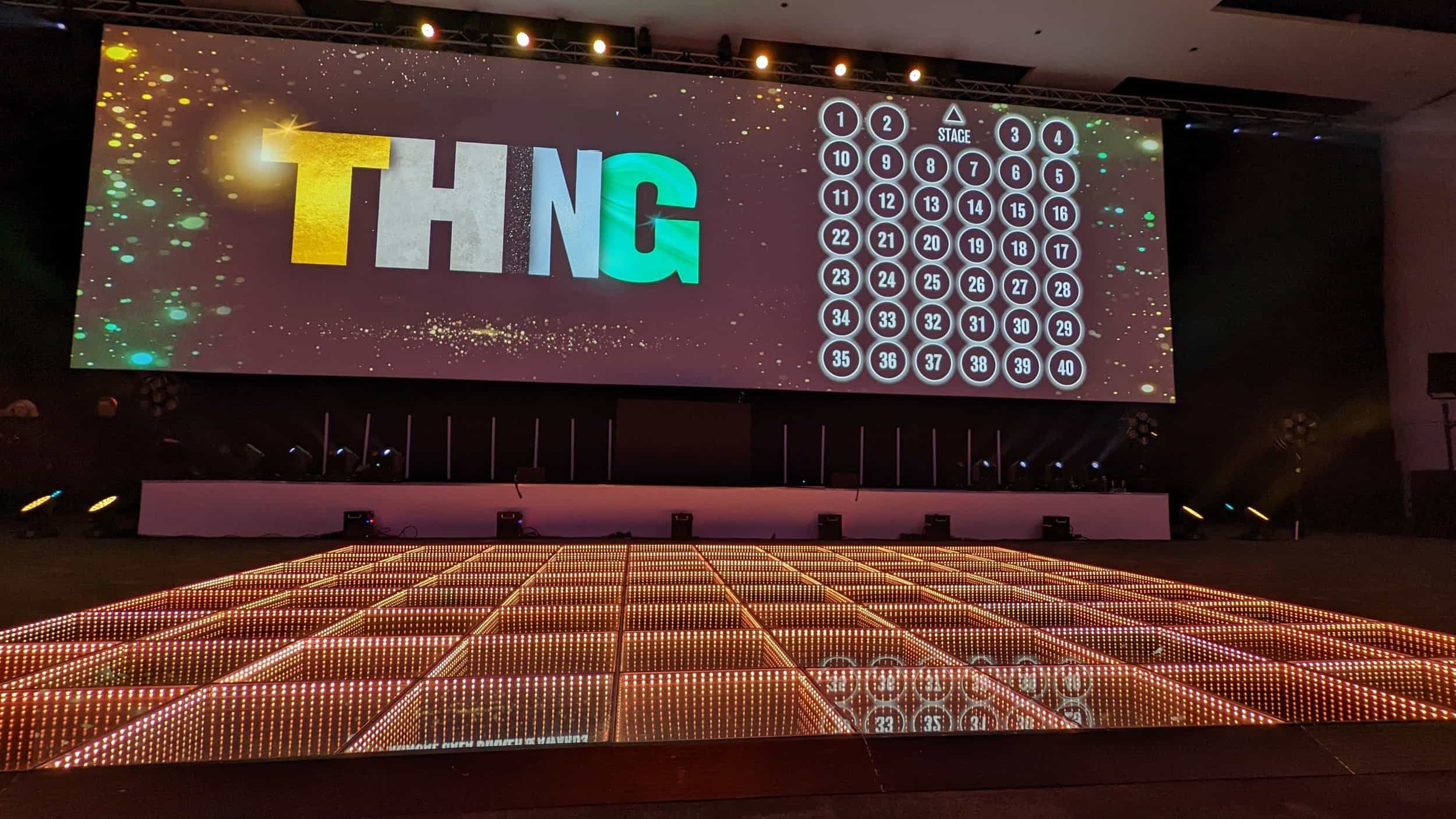
Show flow: the 3 clocks you’re managing
Awards nights run on three clocks: stage clock (what’s happening), content clock (videos/stings), and room clock (guest attention). AV exists to keep those clocks aligned.
- One running order
- Named cue owners
- Fast mic handovers
- Stings duck instantly
- Videos pre-checked
- Short resets built in
Mics: choose boring reliability
Handheld wireless mics are usually the safest for walk-ups and handovers. Lapels look tidy, but they slow you down if people forget to clip them properly. Whatever you choose, plan for a spare.
| Mic type | Best for | Watch-outs |
|---|---|---|
| Handheld wireless | Walk-ups, winners, fast handovers | Needs a clear “mic hand” moment |
| Lapel (lav) | MC / host (hands-free) | Clothing noise + slow swaps |
| Lectern mic | Fixed speaking position | People step away and vanish |
| Headset | High-movement presenters | More setup time, not for everyone |
London + Manchester tip: bigger rooms eat quiet voices. Plan for clean gain structure and insist on a quick speaking test for every main presenter.
Walk-ups + stings: tiny clips, huge energy
Walk-up stings are your momentum engine — but only if they’re controlled. The operator should hit, then duck fast as the mic opens. That’s the difference between “slick” and “shouty”.
- 6–12 second stings
- One volume standard
- Instant duck on mic open
- One “winner walk-up” sting
- One “nominee roll” sting
- One backup track ready
Screens: content is a logistics problem
Most screen disasters are file management disasters. Solve it with naming, formats, and a hard cutoff for edits.
| Rule | Do this | Prevents |
|---|---|---|
| File naming | 01_Intro / 02_Nominees / 03_Winner | Wrong video at wrong time |
| Audio check | Confirm every file has audio | Silent “hype” videos |
| Hard cutoff | No edits after pre-check window | Last-minute chaos |
| Playback ownership | One operator “owns play” | “Who pressed it?” delays |
| Backup | Mirror drive / second laptop | Single point of failure |
Cue sheet (copy/paste)
This is the simplest cue sheet structure that works. Every cue has an owner and a GO trigger. No guessing.
| Time/Order | On stage | GO trigger | AV cue | Owner |
|---|---|---|---|---|
| 01 | Host enters | Host foot on stage | Walk-up sting + lights | Audio/Lighting |
| 02 | Welcome | Host mic open | Sting duck + house level | Audio |
| 03 | Nominee roll | Host: “Let’s see…” | Play Video_03 | Video |
| 04 | Winner announced | Host says winner name | Winner sting + follow spot | Audio/Lighting |
| 05 | Winner speech | Winner takes mic | Sting duck, speech EQ | Audio |
The secret sauce is the “GO trigger”. It should be a visible moment, not “when it feels right”.
Rehearsal + backups: calm is engineered
You don’t need a full dress rehearsal — but you do need a short tech run. Check mic coverage, walk-up timing, screen playback, and where people stand.
- Mic test on stage
- Stings volume + ducking
- Video playback check
- Presenter walk-up paths
- Winner handover plan
- Backup devices ready
Want a show that runs like TV?
We can build the cue sheet, run audio/lighting/video, and keep walk-ups, stings and screens tight — London and Manchester.
FAQs
Which microphones work best for awards nights?
Handheld wireless mics are usually safest for fast handovers. Add a spare handheld and don’t rely on one lectern mic alone.
What is a cue sheet?
A running order that lists every moment with GO triggers and named AV cues (audio, lighting, video). It stops guesswork.
How loud should walk-up stings be?
Energetic but controlled. The operator should duck stings quickly the moment the mic opens so the presenter isn’t fighting the track.
What causes screen delays?
Last-minute file changes, incompatible formats, missing audio, and unclear ownership of play cues. Pre-check and label everything.
Do we need a rehearsal?
A short tech run-through is hugely valuable. It confirms mic coverage, sting timing, video playback and stage movement.
Need calm, professional show flow?
Share your running order and we’ll turn it into a cue sheet with clean mic handovers, tight stings, and reliable screens — London and Manchester.
Awards night truth: the best shows feel “effortless” because someone obsessed over the cue sheet.
AO Events awards night AV · London + Manchester · microphones · walk-up stings · screens · cue sheets · rehearsals · backups.
Contact AO Events London Manchester Areas We Cover Latest News